

Showing posts with label Problem Solving. Show all posts
Showing posts with label Problem Solving. Show all posts
Wednesday, February 7, 2018
Teaching Children Emotional Intelligence


Wednesday, November 16, 2016
Helping Children Cope with Divorce
 |
| Photo Credit |

Dealing with divorce is difficult, especially when
children are involved. Doctor Kevin D. Arnold, Ph.D and director of the the Center for Cognitive and Behavioral Therapy in Columbus Ohio, gives 6 tips to help parents talk with their children about divorce.
Wednesday, September 14, 2016
Why Do Children Talk to Themselves?

Wednesday, November 18, 2015
Play Strengthens Your Child’s Development
 |
| Photo Credit |
Friday, May 15, 2015
Mental Health Awareness Month
 |
| Photo Credit |
Mental health for children can look different than mental health for adults. For children, it could mean reaching developmental and emotional milestones. It could include learning how to cope with problems, having healthy social skills and a positive quality of life, and functioning well at home, in school, and in their communities.
Sometimes a parent sees serious changes in the way their child typically learns, behaves, or handles emotions; this could be the result of an emerging mental disorder. It is estimated that 1 out of 5 children experience a mental disorder every year. Not all mental and behavioral disorders can be diagnosed in childhood. Some examples of disorders that begin in childhood include:
Attention-deficit/hyperactivity disorder (ADHD)
Behavior disorders
Mood and anxiety disorders
Substance use disorders
Tourette Symdrome
 |
| Photo Credit |
To Youth: If you feel angry, worried, or sad, reach out to a friend or adult to talk about your feelings. Your mental health is just as important as the health of your body.
To Teachers: If you have concerns about the mental health of a student in your school, work with families and health care professionals so that those students can get the help they need and have a disorder identified early.
Friday, April 17, 2015
Teaching Children the Value of Money
 |
| Photo Credit |
Growing up, my family didn't have a lot of money. We didn't have all the best toys and the most fashionable clothes. During elementary school, I was used to wearing my sisters hand-me-downs. For me, that was how it was and I didn't know any different. My parents did all they could to provide for us and we were happy.
For young children, it can be very difficult to understand the cost of goods. They don't understand the difference between the cost of their favorite treat and their favorite toy. Children need to learn the value of money at a young age. Author of Kids and Money: Giving them Savvy to Succeed Financially, Jayne A. Pearl said, "It's actually easy to teach kids about money. Turn your day-to-day activities into learning experiences." Teach your children how to identify coins and dollars. With play money, they can have fun and use their imagination in playing store and restaurant by exchanging goods for money.
 |
| Photo Credit |
Paul S. Richard (Institute of Consumer Financial Education's Executive Director) shares 18 Ways for Children or Grandchildren to Learn the Value of Money:
- As soon as children can count, introduce them to money. Take an active role because repetition and observing others are the two methods they learn by
- Help children learn the difference between needs, wants and wishes. This will prepare them for making good spending decisions in the future.
- Allow young people to make spending decisions, both good and poor, and then encourage a discussion of pros and cons before more spending takes place.
- When giving children an allowance for income, give the money in denominations that encourages saving. For example if the amount is $5, give out five $1 bills and encourage at least one be set aside in savings.
Children also need to learn how to save their own money to purchase the things they want. For a fun activity book for young children to learn from, go here.
Thursday, June 19, 2014
Packing Peanut Pool and Other Fine Motor Activities
Looking for simple and entertaining options for kids this summer? Want activities to assist in the development of fine motor skills? Here are a few ideas for you!
Swimming In Packing Peanuts
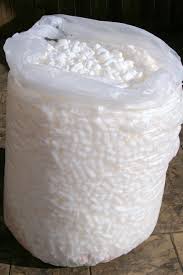 Want a drier option for your swimming pool? Fill a plastic toddler swimming pool with biodegradable packing peanuts (found at Walmart, Target or online). Prices vary by amount and size of the package. These are non toxic, not a choking hazard and not staticy (making clean up much easier!) They look like white cheese puffs so don't be too surprised when your child puts them in their mouth expecting something tasty. Place beach toys or kitchen utensils in the pool as well. Feel free to hid items in the pool as well. Watch your child pick up peanuts with large spoons or shovels. Feel free to join in the fun (we have!!) you won't regret the giggles created from a foam peanut fight! This will help in their fine motor development and sensory awareness.
Foam Blocks
Foam blocks allow children to build or put pieces together. Due to their softness they pose no danger of injury if they are (inevitably) thrown or if they fall on your child. These can be purchased in a number of different places such as Walmart or Target. Price usually ranges between $20-$40 depending on how many come in the pack. Show your child how to use the blocks in the following ways: carrying, sorting by shapes and colors, stacking, knocking down and cleaning up. This play will assist in problem solving, fine motor development and identifying shapes and colors.
Homemade Cardboard Blocks
You can buy cardboard blocks which tend to be larger (great for building larger forts). Expect them to be flat and need folding and assembling. OR you could save all those CapriSun boxes over the weeks, tape them shut, color or cover them with construction paper and go to town! With these blocks you can do many of the same activities as the foam blocks. These will also help with spacial awareness and cause and effect as you build and knock them down.
Swimming In Packing Peanuts
Foam blocks allow children to build or put pieces together. Due to their softness they pose no danger of injury if they are (inevitably) thrown or if they fall on your child. These can be purchased in a number of different places such as Walmart or Target. Price usually ranges between $20-$40 depending on how many come in the pack. Show your child how to use the blocks in the following ways: carrying, sorting by shapes and colors, stacking, knocking down and cleaning up. This play will assist in problem solving, fine motor development and identifying shapes and colors.
Homemade Cardboard Blocks
You can buy cardboard blocks which tend to be larger (great for building larger forts). Expect them to be flat and need folding and assembling. OR you could save all those CapriSun boxes over the weeks, tape them shut, color or cover them with construction paper and go to town! With these blocks you can do many of the same activities as the foam blocks. These will also help with spacial awareness and cause and effect as you build and knock them down.
Wednesday, July 17, 2013
August 3rd Family Event and DIY Blocks at Home!
Hey everyone! We're excited to invite you to our next Family Event, held August 3rd, 2013 in Provo, Utah. Any shout outs from those who have been to our events before? They are a blast. Basically we have several play stations set up for parents and their young kids to come and play in. All the activities are easily replicated in the home and are great for boosting a child's development.
We'll have activities for kids 0-8 and a special area for children under 1 year. Who doesn't love to see their baby in these non-toxic biodegradable packing peanuts?
 To get you excited for this upcoming event we're going to be doing posts on a few of the activity stations we have regularly at our events and show you how (and why) you should have these kinds of toys in your home. But FIRST! Go and confirm your attendance at the family event by clicking here.
 Supplies:

Children build spatial understanding and math skills while engaged in block play. They can learn about counting, equality, addition, subtraction, planning, patterns, volume, classification, area and measurement. When a parent engages with their child in block play it provides teaching moments for social skills, language and exploration.
At the the event, we'll be handing out our activity sheets with ideas of things to do in the home with BOOKS, BALLS and BLOCKS. Click here to download and print our Block Activity Sheet. But don't forget to come to our event and stay tuned for upcoming blog posts on other activity ideas!
We'll have activities for kids 0-8 and a special area for children under 1 year. Who doesn't love to see their baby in these non-toxic biodegradable packing peanuts?

Do-It-Yourself Blocks or Piggy's Brick Blocks
 Supplies:
- Tissue boxes, capri-sun boxes, milk carton boxes, shoe boxes and any other container you think would make a nice big block for your kids.
- Contact paper or wrapping paper in bright colors. (Contact paper is nice because it has a sticky background. The red/white checker blocks in the picture to the right were covered with contact paper.)
- Tape (of any kind, but for long lasting blocks, get a role of packaging tape)
1. Get a smallish cardboard box.
2. Wrap it in paper.
3. Tape the paper to the box.
4. Have your kids decorate them.
5. Repeat steps 1-4.
(yes. its that easy)

The picture above was from a family event that we did in April. These kids were having SO MUCH FUN playing with our piggy brick blocks. They built all these crazy formations and then had a blast knocking them down. We had a volunteer read the story of the three little pigs and then they would pretend to be the wolf and BLOW the houses down. (yes, we didn't have straw or wood, but the kids didn't care, they just wanted to build and destroy their buildings).
Lest you be concerned that destroying a block tower is a sign of anger management, DON"T BE! The repetition of building and knocking things over and then doing it again is a part of PLAY and part of LEARNING. (Obviously, you know your child, so you do know when its anger or misbehavior. But also, know that kids are kids and its okay.)
At the the event, we'll be handing out our activity sheets with ideas of things to do in the home with BOOKS, BALLS and BLOCKS. Click here to download and print our Block Activity Sheet. But don't forget to come to our event and stay tuned for upcoming blog posts on other activity ideas!
Tuesday, January 22, 2013
Problem Solving The Baby Way
What infants, toddlers, and children do best to learn, is explore! From a very tiny age babies are learning lessons of cause and effect. When parents interact with their child with love and trust, children start to make sense of the world around them. (For more information on child Cognitive Development from ages 0-3 click here ).
Exploring, making faces, picking up a book and wanting to be read to, are some of the many ways your child starts to problem solve. If you want to track your child's problem solving development, click here!
BALLS
Balls and Bins: Play with different size balls and bowls or boxes. Play with how many balls you can get in a container or which balls are too big or small for a certain container. Talk about the problem-solving process with your child as you play.
BLOCKS
10 Ways to Play with a Block: Stack and crash, line up to make a train, come up with as many ways to play with the blocks as you can.
Exploring, making faces, picking up a book and wanting to be read to, are some of the many ways your child starts to problem solve. If you want to track your child's problem solving development, click here!
 |
| Photo Credit |
Problem Solving Milestones
Birth to 3 Months
Watches faces
Moves or makes noises to get attention
Learning to manage sleep/wake states
4 to 6 Months
Explores textures/objects: touch, mouthing, banging
Repeating pleasurable activities
Simple object and people permanence
7 to 9 Months
Imitating sounds and gestures
Repetitive cause & effect play
Combines related objects in play
9 to 12 Months
Simple trial and error
Playing with toys with their intended purpose
Searches for hidden or missing objects – harder to distract
12 to 24 Months
Imitates adult activities
Matching and sorting – recognizing similarities
Pretend play with realistic and then non-realistic props
24 to 36 Months
Sustained attention to preferred activities (15-60 min)
Enjoys stories and books
Pretend play with real life and emotional themes
 |
| Photo Credit |
Here are some fun activities that you can do with your child to help them learn how to problem solve :
BOOKS
Sharing Books: look at books together, point to and label pictures, share excitement about what the child sees and is interested in, tell stories about the pictures instead of reading the words only.
Sharing Books: look at books together, point to and label pictures, share excitement about what the child sees and is interested in, tell stories about the pictures instead of reading the words only.
BALLS
Balls and Bins: Play with different size balls and bowls or boxes. Play with how many balls you can get in a container or which balls are too big or small for a certain container. Talk about the problem-solving process with your child as you play.
BLOCKS
10 Ways to Play with a Block: Stack and crash, line up to make a train, come up with as many ways to play with the blocks as you can.
These are just some examples of Problem Solving skills. Each child develops differently, if you are concerned about your child's development contact us here!
Wednesday, January 2, 2013
Smarter Ways to Discipline Children
The Wall Street Journal just published this GREAT article titled, "Smarter Ways to Discipline Children." I thought it was so great that I wanted to share it with you!

In summary,

In summary,
- Parents need to praise their kids more. Focus on the good things they do.
- Be Patient. Give your kids time to respond.
- Clearly explain your commands.
- Watch your own behavior. Do you yell and throw tantrums, too?
- Have your child "practice" throwing a tantrum so they learn how silly it really is. Pretend to throw a tantrum with your child. It will often end in laughter.
Tuesday, December 27, 2011
"Who" Questions
Who? You!
Round #1
Q: Who is that?
A: Duh...it's Grandma!
Round #2
Q: Okay, its grandma. But WHO is grandma?
A: Um...mom's mom?
Round #3
Q: thats true. She's a relative. Who is grandma?
Asking "Who" questions can be really helpful for children to define relationships, roles and identity. It helps to identify how people work in the story. It will often lead to the usage of other follow-up questions, such as What or Why.
While reading a story like Goldilocks and the Three Bears:
Round #1
Q: Who is that?
A: Duh...it's Grandma!
Round #2
Q: Okay, its grandma. But WHO is grandma?
A: Um...mom's mom?
Round #3
Q: thats true. She's a relative. Who is grandma?
Asking "Who" questions can be really helpful for children to define relationships, roles and identity. It helps to identify how people work in the story. It will often lead to the usage of other follow-up questions, such as What or Why.
While reading a story like Goldilocks and the Three Bears:
- Who is that little girl?
- Who are those bears?
- Who is the Papa bear?
- Who's house is she in?
- Who did you draw this for?
- Why did you draw this picture for him?
- What is your picture about?
- Why will he like it?
Questions, Questions and more Questions!
Rudyard Kipling wrote a poem about the power of asking questions:
 I keep six honest serving-men
(They taught me all I knew);
Their names are What and Why and When
And How and Where and Who.
I send them over land and sea,
I send them east and west;
But after they have worked for me,
I give them all a rest.
I let them rest from nine till five,
For I am busy then,
As well as breakfast, lunch, and tea,
For they are hungry men.
But different folk have different views;
I know a person small—
She keeps ten million serving-men,
Who get no rest at all!
She sends'em abroad on her own affairs,
From the second she opens her eyes—
One million Hows, two million Wheres,
And seven million Whys!
When he starts to talk about "a person small" he is referring to his curious little daughter. I'm sure you've seen this especially during this winter season!
I've seen how easy it is for parents to dismiss a teaching opportunity by just telling their child the answer and not allowing them to discover the answer. In the next few weeks I'm going to do a series of posts about asking questions and hopefully as your children grow you'll be able to encourage their learning by asking them what they think, what they feel, what they want and then have the patience and courage to let them try out those thoughts, feelings and choices and help them become independent little people.
Watch this videos to see how asking questions helps these children to create a building on their own!
I keep six honest serving-men(They taught me all I knew);
Their names are What and Why and When
And How and Where and Who.
I send them over land and sea,
I send them east and west;
But after they have worked for me,
I give them all a rest.
I let them rest from nine till five,
For I am busy then,
As well as breakfast, lunch, and tea,
For they are hungry men.
But different folk have different views;
I know a person small—
She keeps ten million serving-men,
Who get no rest at all!
She sends'em abroad on her own affairs,
From the second she opens her eyes—
One million Hows, two million Wheres,
And seven million Whys!
When he starts to talk about "a person small" he is referring to his curious little daughter. I'm sure you've seen this especially during this winter season!
Mom, why that puddles so big?
What's an umberrella?
Why don't it snow?
What's an umberrella?
Why don't it snow?
When does Santa come?
The questions are endless and sometimes very difficult to explain. (Where do babies come from?) Asking questions is essential to learning. Its important for kids to ask questions and for YOU to ask your children questions of what they think and already know instead of just telling them the answer. Asking questions teaches curiosity and resourcefulness which are important life skills. I've seen how easy it is for parents to dismiss a teaching opportunity by just telling their child the answer and not allowing them to discover the answer. In the next few weeks I'm going to do a series of posts about asking questions and hopefully as your children grow you'll be able to encourage their learning by asking them what they think, what they feel, what they want and then have the patience and courage to let them try out those thoughts, feelings and choices and help them become independent little people.
Watch this videos to see how asking questions helps these children to create a building on their own!
Monday, October 3, 2011
A Nature Walk in the Fall
 |
| Photo |
Fall is such a beautiful season! It is so fun to see the leaves of the trees change as the weather cools down. Every time I walk outside I find myself looking up at the mountains to see all the orange and yellow specks appearing. One of my favorite things to do this time of year is take walks in mountains. Even walking around my neighborhood fills me with excitement!
 |
| Photo |
I found a great activity to make a nature walk in the fall more exciting and challenging for kids on Disney's Family Fun page. All you need is an empty egg carton and some paint (markers or colored pencils would work too). Paint (or color) the bottom of each compartment a different color, then
challenge kids to find things in nature that match the colors in the egg carton!
This would be a great activity to spend time with your kids and give them the chance to learn. They will be able to play with colors found in nature and search for things they may not have noticed before. It will also give them the chance practice their problem solving skills by matching up the colors until all the compartments are filled up!
What do you love about fall? What are your favorite things to do this season? For more great ideas of fun things to take on a nature walk, visit here.
Friday, August 5, 2011
Back to School Countdown #19: Problem Solving
This is my first blog, and it’s a story about one of our Help Me grow mothers. She had her first baby as a single mom. She had many questions and doubts, not only about the baby, but about her economic situation, her living arrangements, co-parenting and health insurance for her baby. She was carrying a heavy load when she first heard about Help Me Grow but agreed to send in the Ages and Stages questionnaires every two months. Her baby is a quiet, sweet tempered child with a way of looking at strangers out of the side of her eyes. In fact she puts so much meaning into her expressions and gestures that it gives “body language” a new meaning. Mom spoke to her provider about her lack of words; Mom spoke to Help Me Grow about why her daughter's speech was a little low on the Ages and Stages Questionnaire. Her doctor said “Wait a bit” and Help Me Grow sent her communication exercises and a speech evaluation referral. It was decided to watch and wait for a month.
Yesterday Mom called me to say she had figured out what to do about her daughter’s speech! This was her idea: Every time her daughter pointed or directed her mom to something she wanted, her mom would get face to face and say the words she wanted her daughter to repeat. Only then would she give her the juice or toy, then clap for her success.
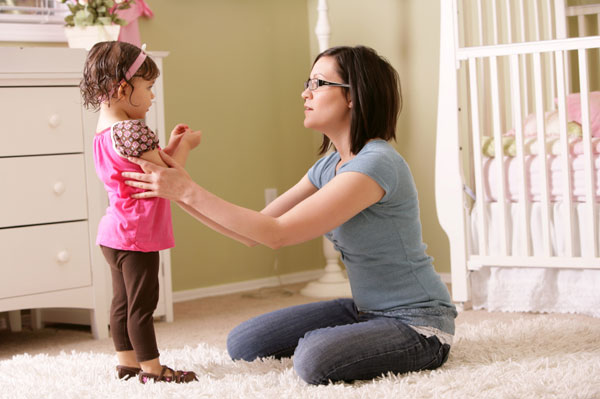
There was more to her idea: The adults in her household would speak to her daughter in regular sentences, and to each other in regular sentences. Last, they would read books with conversations in them instead of reading “point-to” books.
The point of the story is not that each technique mentioned by the mom has been used successfully before. The joyful point is that Mom called and said “I have figured out what to do for my daughter!" Our Help Me Grow family record includes several outcomes for the situations Help Me Grow encounters. My favorite one, and I think our families’ favorite one, is called “Solved Own Problem”.
If you've got a story about solving a problem in your own way, please post it!
Subscribe to:
Posts (Atom)