

Showing posts with label Activities - Summer. Show all posts
Showing posts with label Activities - Summer. Show all posts
Wednesday, June 20, 2018
DIY American Flag Shirt


Wednesday, June 7, 2017
Summer Activity Guide

Summer is right around the corner! Do you need more ideas to
keep the kids busy all summer long? Luckily Care About Childcare has you
covered with their Summer Activity Guide.
Friday, July 29, 2016
3 Ways to Prevent The Summer Slide

The “Summer Slide” is a term coined to describe the amount
of learning children lose during the summer while not in school. It can be easy
for children and families to slip out of the daily reading and math habits they
had during the school year. But how much does that effect your child?
According to the National
Summer Learning Association (NSLA), in just three months, children can lose
up to 2 months of math skills! This academic loss can be even more pronounced
in children from low income homes. “Every summer, low-income youth lose two to
three months in reading while their higher-income peers make slight gains”,
says the NSLA. Throughout their schooling, children who are consistently
regressing during each summer can be
years behind their peers by just fifth grade.
But there is hope! There are many ways to prevent the summer slide and even make reading and math gains during the break from school!
Wednesday, July 27, 2016
Inexpensive Summer Activity: Giant Letters!

Summer is here! Kids are excited to have time off from school and parents are stressed about how to keep their kids engaged and learning through the summer - without lots of screen time! This idea from Constantly Lovestruck is a great activity for kids of all ages that can be used inside or outside - even adults can join in on the fun!
Wednesday, July 13, 2016
"Red Hots Slime": Sensory Motor Fun!
 |
| Photo Credit |
Wednesday, June 15, 2016
Guest Post: Read 1000 Books Before Kindergarten!

Friday, June 10, 2016
Summer Safety Tips
 Summertime. School’s out, the sun’s up and the fun is
never-ending. Well, that is until you’ve got a bad sunburn that hurts! Summer
is packed full of fun activities to do outside but let’s not forget some
important safety guidelines to keep us happy, healthy and playing all summer
long!
Wednesday, August 5, 2015
Family Friendly Hiking
Getting outside and enjoying the great outdoors can be a fun family activity! Below is a a list of family friendly hikes in Utah county. For some ideas in other parts of the state, check out these links:
Family Friendly Hikes in Utah
Adventurous Family Friendly Hikes in Utah
Best Hikes for Little Kids in Utah - Pinterest
Lindon Marina Trail: A great place to go and pack a picnic! A short paved trail that leads up right towards Utah lake.
Directions: W. Vineyard Rd. American Fork, UT 84003
First Falls on Aspen Grove Trail: This trail is partly paved that can lead towards the Timpanogos summit. But, hiking towards the first waterfall on this trail is a kid and family friendly distance.
Directions: Head towards Hwy 189, Provo Canyon Road. Go east on 189 for about 7 miles to the Sundance Ski resort turnoff. Take a left onto Hwy 92 for 6 miles, going past the Sundance ski area and Aspen Grove recreation area. Proceed until you come across the fee booth.
The Grotto: 0.6 mile round trip hike leads you and your family to a small, cove-like waterfall! Curving through the forest and in some places you cross streams on large timbers put in place by the forest service.
 Directions: To get to Payson Canyon take the Payson exit off of I-15. Head straight down main street until you reach 100 N. Turn left on 100 N. Stay on 100 N until you reach 600 E. You will see a sign that say Mount Nebo Scenic Loop/ Turn right on 600 E. This will take you up the canyon. From the month of the canyon travel approximately 7 miles to the parking area for the Grotto trail.
Provo River Waterfalls: A great place to get away from the summer heat. A very scenic fir forest trail within the Uinta mountains.
Directions: From Kamas, drive Hwy 150 East for about 23.5 miles until you get to the parking area. Follow path towards the overlook.
 Even through these hikes are not has vigorous as most, always still come prepared with fresh water, snacks and a first aid kit!
Family Friendly Hikes in Utah
Adventurous Family Friendly Hikes in Utah
Best Hikes for Little Kids in Utah - Pinterest
Lindon Marina Trail: A great place to go and pack a picnic! A short paved trail that leads up right towards Utah lake.
Directions: W. Vineyard Rd. American Fork, UT 84003
First Falls on Aspen Grove Trail: This trail is partly paved that can lead towards the Timpanogos summit. But, hiking towards the first waterfall on this trail is a kid and family friendly distance.
Directions: Head towards Hwy 189, Provo Canyon Road. Go east on 189 for about 7 miles to the Sundance Ski resort turnoff. Take a left onto Hwy 92 for 6 miles, going past the Sundance ski area and Aspen Grove recreation area. Proceed until you come across the fee booth.
The Grotto: 0.6 mile round trip hike leads you and your family to a small, cove-like waterfall! Curving through the forest and in some places you cross streams on large timbers put in place by the forest service.

Provo River Waterfalls: A great place to get away from the summer heat. A very scenic fir forest trail within the Uinta mountains.
Directions: From Kamas, drive Hwy 150 East for about 23.5 miles until you get to the parking area. Follow path towards the overlook.

Friday, July 10, 2015
Preventing Dog Bites
As the weather heats up for summer and your family is spending more time outside, it's important to teach kids about how to stay safe around dogs. Dog bites are a serious health issue, especially for children. Dog bite injuries were the 11th leading cause of nonfatal injury in children ages 0-14 in America during the last five years.
"Even the friendliest dog may bite when startled or surprised. Be cautious: once a child is scarred, they are scarred for life," said Dr. Gregory R.D. Evans. "Most children love dogs and like to put their faces up close to the dog's face. Parents should never permit this. Injuries to the face and hands can be disfiguring or disabling and require prompt, expert medical attention."
If you are thinking about getting a dog, choose one that will fit in well with your family. Wait until your child is mature enough to care for the animal (usually age five or six). Children need to be able to distinguish an animal from a toy so the child doesn't provoke a bite through teasing or mistreatment. A pet with a gentle disposition is best.
Teach your child to not put her face close to the dog, not to tease the dog, not to run past a dog, and not to disturb the dog while it's sleeping, eating, or caring for puppies. Also teach your child how to greet a dog: stand still while the dog sniffs her, then slowly extend her hand to pet the dog. Never leave a child alone with a dog. For more tips to keep in mind when getting a pet, click here.
If you or your child is bitten by a dog, follow these steps:
 |
| Photo Credit |
If you are thinking about getting a dog, choose one that will fit in well with your family. Wait until your child is mature enough to care for the animal (usually age five or six). Children need to be able to distinguish an animal from a toy so the child doesn't provoke a bite through teasing or mistreatment. A pet with a gentle disposition is best.
Teach your child to not put her face close to the dog, not to tease the dog, not to run past a dog, and not to disturb the dog while it's sleeping, eating, or caring for puppies. Also teach your child how to greet a dog: stand still while the dog sniffs her, then slowly extend her hand to pet the dog. Never leave a child alone with a dog. For more tips to keep in mind when getting a pet, click here.
 |
| Photo Credit |
- Rinse the area with soapy water.
- Elevate the affected limb(s).
- Apply pressure to deeper wounds. Then wash, dry, and cover with a sterile dressing.
- Call your child's physician to see if antibiotics or a tetanus shot is needed and also to help you report the incident.
- If the bite is severe, go to the emergency room.
There are many benefits that can result from children being raised with pets, but it is important to pay appropriate attention to safety and education to help keep both child and pet safe! For more info, check out this brochure: American Academy of Pediatrics "What You Should Know About Dog Bite Prevention"
Monday, June 29, 2015
Fourth of July Crafts and Treats
With the Fourth of July right around the corner, we wanted to share some fun craft and yummy treat ideas.
 |
| Image & Source |
 |
| Image & Source |
 |
| Image & Source |
 |
| Image & Source |
 |
| Image & Source |
 |
| Image & Source |
 |
| Image & Source |
 |
| Image & Source |
For more fun Fourth of July ideas check out our board on Pinterest!
Tuesday, June 23, 2015
Container Gardens
Growing an edible garden can be a great activity for kids this summer! A home garden lets your family eat local, know where your food is coming from, eat healthy, and save money. Plus, kids are more likely to eat vegetables if they come from their own garden! Not all families have the space, time, or soil quality to create a large garden in the backyard. Container gardening is a great alternative that allows kids to have their own small space to care for.
Containers
Barrels, buckets, hanging baskets, clay pots...choose a fun container! Decide on a container that will match the amount of depth and soil needed for the plants you'll be growing. Avoid containers that could have previously held harmful chemicals. Find containers that have holes for drainage or make a few holes near the bottom to allow water to run out. You can put a saucer under the container to catch water, just empty it regularly.
Planting seeds
Let your child choose what to grow and what they will eat! Sugar snap peas, sweet cherry tomatoes, potatoes, and carrots are usually easy to grow, but you can try any vegetable your child wants to grow. Look at seed packets to learn the best times to plant different crops.
Caring for the garden
Start with a mixed blend of potting soil. Add nutrients to your container garden with commercial fertilizer or compost materials. Teach kids to keep the soil evenly moist by watering frequently. Let them pinch off dry leaves to make room for healthy buds. Kids love to track the progress of their growing plants by measuring plant height and counting new leaves.
Enjoy harvesting and eating your edible garden!
For more ideas about involving kids in gardening, try these resources:
Start a Container Garden with your Family
Easy Foods Kids Can Grow in the Garden
Growing Edibles in Containers
Gardening with Kids
Create an Edible Container Garden with Kids
 |
| Photo Credit |
Barrels, buckets, hanging baskets, clay pots...choose a fun container! Decide on a container that will match the amount of depth and soil needed for the plants you'll be growing. Avoid containers that could have previously held harmful chemicals. Find containers that have holes for drainage or make a few holes near the bottom to allow water to run out. You can put a saucer under the container to catch water, just empty it regularly.
 |
| Photo Credit |
Let your child choose what to grow and what they will eat! Sugar snap peas, sweet cherry tomatoes, potatoes, and carrots are usually easy to grow, but you can try any vegetable your child wants to grow. Look at seed packets to learn the best times to plant different crops.
Caring for the garden
Start with a mixed blend of potting soil. Add nutrients to your container garden with commercial fertilizer or compost materials. Teach kids to keep the soil evenly moist by watering frequently. Let them pinch off dry leaves to make room for healthy buds. Kids love to track the progress of their growing plants by measuring plant height and counting new leaves.
Enjoy harvesting and eating your edible garden!
For more ideas about involving kids in gardening, try these resources:
Start a Container Garden with your Family
Easy Foods Kids Can Grow in the Garden
Growing Edibles in Containers
Gardening with Kids
Create an Edible Container Garden with Kids
Friday, June 12, 2015
Summer Survival Guide for Parents
Hey Parents!

Wednesday: Water Day.

Your kids are out of school for the summer. That means you’ve got to keep them busy,
right? Here’s an idea that may help, I
know it was a LIFESAVER for me when raising my kids!
Get your kids on a weekly schedule, or “day
of the week” activity!
They have been on
a weekly schedule all school year, (ex:
art on Monday, PE on Tuesday, etc.) so this feels natural to them. Each day of the week has a designated purpose,
and you establish what activity fits your family best. Maybe even let your kids help plan it
out! Do what works for you!
Here’s an example to get you started:
Monday: Library Day. Go to your local library. Let your kids each get their own library
card. Sign up for the summer reading
program, if they have one. Many libraries also have story time for young children. I would let
my kids check out a certain number of books each week, so we could keep track
of them better.
Tuesday: Park Day.
Go to a local park, a different one each week. Bring snacks and water, or have a picnic. Bring your kickballs and Frisbees, and
don’t forget to have fun with your kids! Get creative. One of my best memories with my kids is when we went “sledding” down a
dirt hill on cardboard boxes!

Wednesday: Water Day.
Take them to your local pool or splash pad,
or try out other ones in the valley. Or,
just turn on the sprinklers in your own backyard. How about a water fight? Buy some squirt guns and water balloons from the dollar store
and have a water shootout!
Thursday: Movie Day.
Provo has Dollar Theater, but Pleasant Grove and Spanish Fork both
have Kids Summer Movies at Water Gardens Theater! Tickets are
only $1 each, and they show kids movies from June 2- Aug. 19 every Tuesday, Wednesday, and
Thursday with shows at 11:00 am and 1:15 pm.
Popcorn, drinks, and candy start at $1.
See www.watergardenstheaters.com for more info.
Friday: Provo Day. Provo offers a host of kid-friendly destinations, such as Classic Skating, Fat Cats, BYU Bean Museum,
BYU Dinosaur Museum, Provo Town Center/University Mall, Bridal Veil Falls, etc. If you already live in Provo, then lucky
you! Maybe you could explore a different
town each week.
The ideas are endless, I’m sure you can come up with some of
your own! The great thing about this
schedule is that you can adapt it to your own interests and your own kids. Each outing only needs to be 1-2 hours long,
just enough to break up the daily routine and give them something to look
forward to. Kids do better with some
structure to their day, which this provides, and gives you plenty of free time too.
Enjoy your summer!

Friday, June 5, 2015
Ready, Set, Read!
Summer. This one simple word often has the ability to bring joy to people young and old. For children especially, summer brings the promise of freedom, fun and adventure. While parents enjoy summer as well, it can sometimes be accompanied by thoughts, "how do I keep my kids busy for three longs months!?" and "what will I do to keep them from forgetting everything they've learned this past school year?"
 1. Summer reading programs aren't just for kids. Libraries have always encouraged parents to make reading a family affair, and participating in a summer reading program will help you do just that! Libraries across the state offer different summer reading programs for children, teens, and adults. Some have even developed a toddler programs. This summer encourage everyone in your family, including yourself, to sign up!

With summer at our doorstep and these questions on our mind, I wanted to share one of my favorite summer activities growing up. The library's summer reading program! Now you may remember this from when you were young and hopefully you've already taken part with your child. The more Help Me Grow works with local libraries the more I realize that these awesome programs have changed a lot from when I was young and have more to offer than ever before. Here are three things to look forward to:
 1. Summer reading programs aren't just for kids. Libraries have always encouraged parents to make reading a family affair, and participating in a summer reading program will help you do just that! Libraries across the state offer different summer reading programs for children, teens, and adults. Some have even developed a toddler programs. This summer encourage everyone in your family, including yourself, to sign up!
2. Not all programs are just about reading. Some libraries have expanded their summer reading programs to include other activities as well. For example Salt Lake City Libraries have come up with a Super Summer Challenge. Not only do families read as part of the challenge, they can also accomplish other goals to better themselves and their community. Even if your library hasn't expanded their summer reading program, they usually have other fun events and opportunities available throughout the summer.

3. There are great rewards! Yes, many of the libraries are offering incentives for following the summer reading program, but that's not the reward I'm referring to. Reading together is one of the best things you can do for the development of a child and yourself! The National Education Association has said that "children who are read to, and who read for pleasure, are significantly more successful in school than children who do not." Reading improves brain development, communication skills, school performance, and so much more.
Summer Reading Programs are starting soon so check out your local library today and get your entire family signed up today! You can find the library nearest you by clicking here. You can also find more reading resources by visiting utahkidsreadytoread.org
Wednesday, May 13, 2015
Summer Field Trips
 |
| Field trip to the splash pad at the Gateway |
 |
| My sister at Timpanogos Cave |
- Ask your children what activities they may be interested in doing this summer. Try to incorporate suggestions from each child in your planning. My mom would often have us write a list of field trips we would be interested in that fell under categories such as educational, fun, physical, etc. If you need ideas of local activities check out my mom’s list (Utah County/Salt Lake Area) and the Care About Childcare Summer Activity Guides for all of Utah.
- Try to provide a good mix of activities. Have some educational trips and others that are purely fun. Try to not schedule similar activities back to back.
- Check with local museums for special events that may be tailored towards children. For example, every year we attended the BYU Museum of Art’s annual Family Arts Festival, which always made the museum more interesting to us.
- If there are specific families you would like to join you coordinate with them to see which day works best.
- Send your schedule out to other families to invite them to join when they can. Field trips were always more fun when we had friends or cousins there. And nothing is more exciting as a child then getting to ride in someone else’s car.
- Don’t stress about making it every week. Provide enough details in the schedule that other families can get there without you.
- If a child is not interested in a field trip, let them invite a friend to make it more fun.
Hopefully these tips will help you
in coming months to have fun activities for your kids that get them out of their typical summer routine. Feel free to comment
below with your own Summer Field trip ideas and tips!
 |
| My sisters and me at Seven Peaks Water Park |
Monday, March 23, 2015
Make time for Playtime :)
Playtime is a child's most important work! Here are some ideas to help make the best out of playtime!

Encourage Children to Play
To children, play is just fun. However, playtime is as important to their development as food and good care. Playtime helps children be creative, learn problem-solving skills and learn self-control. Good, hardy play, which includes running and yelling, is not only fun, but helps children to be physically and mentally healthy.
Children Need Playmates:

It is important for children to have time with their peers. By playing with others, children discover their strengths and weaknesses, develop a sense of belonging, and learn how to get along with others. Consider finding a good children’s program through neighbors, local community centers, schools, or your local park and recreation department.
Parents Can be Great Playmates:
Join the fun! Playing Monopoly, reading, or coloring with a child gives you a great opportunity to share ideas and spend time together in a relaxed setting.

Playtime is a fabulous way to teach children in a fun and loving environment. It helps the children learn many different skills that they will use throughout their whole lives. Playgroup that is offered at the South Franklin Community Center in Provo, Utah is a wonderful way to help your children meet friends and play with children that are their own age.
Where I found some of the information:
http://childdevelopmentinfo.com/child-development/play-work-of-children/pl5/http://www.psychologytoday.com/blog/freedom-learn/201409/playing-children-should-you-and-if-so-how
Friday, March 20, 2015
Let's Talk About Bike-Riding
With the Spring-like weather we've been having lately maybe it's a good time to teach your child to ride a bike!
When it comes to children and bikes, here are a few concerns parents have shared with us:
We all know that our children are not born with all the talents in the world. They might excel in one area of development, but struggle in another. Some children catch on quickly when learning to ride a bike, whereas for others, it takes some extra practice.
I've heard about several methods parents have used to teach their child to ride a bike. There's the "hold onto their seat" method, the "training wheels" method, or even the "let them go" method where parents set them free to learn for themselves how to ride. Recently, I've come across another method that many parents have given a two thumbs up rating. I call this the "balancing bike" method.
Generally, children are physically and mentally ready to learn how to ride a bike between the ages of three and six – this of course is not a set in stone rule. Remember not to force your child to learn to ride, but instead keep it FUN!!
Buying a bike that fits your child is crucial. I know it's tempting to buy a too-large of bike and think he or she will eventually grow into it. Unfortunately, this can slow down or even completely halt your child's learning progress. When riding large, cumbersome bikes, children are more likely to lose control and crash. To ensure safety, he or she should feel comfortable and in control of the bike at all times.
When it comes to children and bikes, here are a few concerns parents have shared with us:
- Am I the only one that struggles with teaching my child how to ride a bike?
- I'm worried that my child still doesn't know how to ride a bike. Is this something to be worried about?
- Is there an easy, but safe way to teach my child to ride a bike?
We all know that our children are not born with all the talents in the world. They might excel in one area of development, but struggle in another. Some children catch on quickly when learning to ride a bike, whereas for others, it takes some extra practice.
I've heard about several methods parents have used to teach their child to ride a bike. There's the "hold onto their seat" method, the "training wheels" method, or even the "let them go" method where parents set them free to learn for themselves how to ride. Recently, I've come across another method that many parents have given a two thumbs up rating. I call this the "balancing bike" method.
The Balancing Bike Method
This method is meant to be a step-by-step progression approach to easily and safely teach your child to ride a bike (citation). In the beginning it will isolate major individual components of bike riding and then bring them together in the end to master the skill. The major components for riding a bike include learning how to balance, brake, pedal, and steer. This video gives great instruction on how to use the balancing bike method, but before jumping into the video, take time to get your child ready to ride.
Deciding when to teach your child

Bike fitting
What is the right size of bike for your child? According to experts from REI, they recommend the "standover" test, which instructs your child to stand over the top tube of the bike with both feet planted on the ground (see photo below). You will know the bike is the right height if there is a 2" to 4" clearance between him or her and the top tube.
Click here if you need instructions for online bike fitting.
Further adjustments that might be helpful are explained on this website.
Watch the How-To video
We would love to hear from you and your experiences with teaching your child to ride a bike. Please comment below!!
Click here if you need instructions for online bike fitting.


Also, before buying a bike, make sure you can adjust the seat position to a comfortable height for your child. Remember, for both kids and adults, the seat should be situated so legs never fully straighten during a down stroke. It's good to have a little bend in the knee at the bottom of your pedaling motion.
Further adjustments that might be helpful are explained on this website.
(Source of information: http://www.rei.com/expertadvice/articles/bike+fit.html)
Watch the How-To video
For another helpful website for teaching the balancing bike method, click here.
We would love to hear from you and your experiences with teaching your child to ride a bike. Please comment below!!
Thursday, October 9, 2014
Mother Nature's Playground
It’s Autumn-time! It's my favorite time of year! Although fleeting here in Utah, I love the
cool, crisp air, the scent of falling leaves, and the bursts of color in the
mountains that Autumn brings.
 |
| Photo Credit |
The other day I was at a family
hot dog roast for my Grandma’s birthday. All of the little kids kept coming up
to their parents with armfuls of acorns and colorful leaves from my aunt’s
trees. I remember that when I was little, I loved collecting “treasures” during
the fall and going on nature walks. With the change in seasons, there are lots of “new” things to look
at, which makes an autumn nature walk an intriguing activity for both younger and
older kids. Getting out of town to do a nature walk can be fun, but they can
still be great even in your own backyard!
Below are some ideas of things to
think about when preparing to do a nature walk with your kids:
1. Have a checklist. Make sure it is
appropriate to the age of the child, and to the items you might see in the
location you are going. You can either make your own, or download one from the
internet (just search “checklist for a nature walk”).
2. Decide if you will have the kids
gather the items they see, take pictures of them, draw them, etc…
3. Don’t forget to bring a box or bucket
to carry the treasures in if they will be bringing them home. For young kids
just learning colors, you can get an empty egg carton, glue a differently-colored
piece of paper in each hole, and have kids find items that match.
4. If you do have kids collect items,
think of fun, creative ways to display their treasures when you return. They
can be put in a clear jar, glued to a paper, or even just stored in a plastic
bag.
5. Binoculars and magnifying glasses
can make the adventure even more exciting!
 |
| Photo Credit |
6. You can also bring crayons,
pencils, and a sketchpad for kids to draw what they find.
7. For older kids, books to identify
plants, animals, and birds may be fun.
8. Bring a camera to photograph animal
or insect species your children can later identify.
9. Depending on where you are going,
you may want to talk with your kids about being quiet while on your nature
walk… especially if you want to see animals.
10. While on the nature walk, don’t
forget to stop and take time to use other senses… listening, smelling, touching,
etc…
11. Take time to look under rocks for lizards
and insects, look at the shape of a leaf, and inspect the details of a flower.
12. Use the opportunity to teach
developmentally appropriate lessons to your kids – shapes, colors, numbers,
etc…
13. Some more great ideas can be found
on these websites:
Have fun on your nature walk! Please comment below if you have other suggestions.
Thursday, June 26, 2014
Having Fun in the Sun
 |
| Photo Credit |
It’s getting warmer! And I am so excited to spend more time
outside in the sun! It seems like every summer, the first day I spend out in
the sun, I get completely fried! However, this year, my roommate did it first,
which means I've thought about it and will [try] not to over-do it. J So while my roommate is slathering on the aloe vera, I am
thinking about buying a tube of sunscreen.
That said, it’s time to get out and play in the sun with your
kids! Being outdoors has so many benefits for everybody in the family! Children
are naturally drawn to active play outdoors: it allows them to explore their
environment, develop muscle strength and coordination, and gain
self-confidence. Playing actively outdoors also increases flexibility, fine and
gross motor skills and is related to the development of a wide variety of
physical skills, including those involved in sports. (Information Credit)
Play is just as important for adults! Play brings joy… and it’s
vital for problem solving, creativity and relationships. Even better, playing
with kids helps us experience the magic of play through their perspective. (And
who couldn't use a little more magic in their life?!) (Information Credit)
To help protect yourself and your kids from the sun’s damaging
rays while playing outside, follow these sun safety tips:
- Keep babies younger than 6 months out of direct sunlight. Find shade under a tree, umbrella, or the stroller canopy.
- When possible, dress yourself and your kids in cool, comfortable clothing that covers the body, like lightweight cotton pants, long-sleeved shirts, and hats.
- Select clothes made with a tight weave - they protect better than clothes with a looser weave. If you’re not sure how tight a fabric’s weave is, hold it up to see how much light shines through. The less light, the better.
- Wear a hat or cap with a brim that faces forward to shield the face.
- Limit your sun exposure between 10:00 am and 4:00 pm, when UV rays are strongest.
- Wear sunglasses with at least 99% UV protection (look for child-sized sunglasses with UV protection for your child).
- Use sunscreen.
- Set a good example. You can be the best teacher by practicing sun protection yourself. Teach all members of your family how to protect their skin and eyes.
- Sunscreen can help protect the skin from sunburn and some skin cancers, but only if used correctly. Keep in mind that sunscreen should be used for sun protection, not as a reason to stay in the sun longer.
 |
| Photo Credit |
How to Pick Sunscreen
- Use a sunscreen that says “broad-spectrum” on the label - that means it will screen out both UVB and UVA rays.
- Use a sunscreen with an SPF (sun protection factor) of at least 15. The higher the SPF, the more UVB protection the sunscreen has.
- Look for the new UVA “star” rating system on the label.
- One star is low UVA protection.
- Two stars is medium protection.
- Three stars is high protection.
- Four stars is the highest UVA protection available in an over-the-counter sunscreen product.
- For sensitive areas of the body, such as the nose, cheeks, tops of the ears, and the shoulders, choose a sunscreen or sunblock with zinc oxide or titanium dioxide. While these products usually stay visible on the skin even after you rub them in, some now come in fun colors that kids enjoy.
Sunscreen for Babies
- For babies younger than 6 months:
- Use sunscreen on small areas of the body, such as the face and the backs of the hands, if protective clothing and shade are not available.
- For babies older than 6 months:
- Apply to all areas of the body, but be careful around the eyes. If your baby rubs sunscreen into her eyes, wipe the eyes and hands clean with a damp cloth. If the sunscreen irritates her skin, try a different brand or try a sunscreen stick or sunscreen or sunblock with titanium dioxide or zinc oxide. If a rash develops, talk with your child’s doctor.
How to Apply Sunscreen
- Use enough sunscreen to cover all exposed areas, especially the face, nose, ears, feet, and hands and even the backs of the knees. Rub it in well.
- Put sunscreen on 30 minutes before going outdoors. It needs time to absorb into the skin.
- Use sunscreen any time you or your child might sunburn. Remember that you can get sunburned even on cloudy days.
- Also, UV rays can bounce back from water, sand, snow, and concrete so make sure you’re protected.
- Reapply sunscreen every 2 hours. Sunscreen wears off after swimming, sweating, or just from soaking into the skin. (Information Credit)
Put on your sunscreen and get out and play!
Thursday, June 19, 2014
Packing Peanut Pool and Other Fine Motor Activities
Looking for simple and entertaining options for kids this summer? Want activities to assist in the development of fine motor skills? Here are a few ideas for you!
Swimming In Packing Peanuts
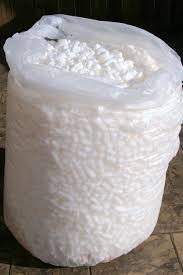 Want a drier option for your swimming pool? Fill a plastic toddler swimming pool with biodegradable packing peanuts (found at Walmart, Target or online). Prices vary by amount and size of the package. These are non toxic, not a choking hazard and not staticy (making clean up much easier!) They look like white cheese puffs so don't be too surprised when your child puts them in their mouth expecting something tasty. Place beach toys or kitchen utensils in the pool as well. Feel free to hid items in the pool as well. Watch your child pick up peanuts with large spoons or shovels. Feel free to join in the fun (we have!!) you won't regret the giggles created from a foam peanut fight! This will help in their fine motor development and sensory awareness.
Foam Blocks
Foam blocks allow children to build or put pieces together. Due to their softness they pose no danger of injury if they are (inevitably) thrown or if they fall on your child. These can be purchased in a number of different places such as Walmart or Target. Price usually ranges between $20-$40 depending on how many come in the pack. Show your child how to use the blocks in the following ways: carrying, sorting by shapes and colors, stacking, knocking down and cleaning up. This play will assist in problem solving, fine motor development and identifying shapes and colors.
Homemade Cardboard Blocks
You can buy cardboard blocks which tend to be larger (great for building larger forts). Expect them to be flat and need folding and assembling. OR you could save all those CapriSun boxes over the weeks, tape them shut, color or cover them with construction paper and go to town! With these blocks you can do many of the same activities as the foam blocks. These will also help with spacial awareness and cause and effect as you build and knock them down.
Swimming In Packing Peanuts
Foam blocks allow children to build or put pieces together. Due to their softness they pose no danger of injury if they are (inevitably) thrown or if they fall on your child. These can be purchased in a number of different places such as Walmart or Target. Price usually ranges between $20-$40 depending on how many come in the pack. Show your child how to use the blocks in the following ways: carrying, sorting by shapes and colors, stacking, knocking down and cleaning up. This play will assist in problem solving, fine motor development and identifying shapes and colors.
Homemade Cardboard Blocks
You can buy cardboard blocks which tend to be larger (great for building larger forts). Expect them to be flat and need folding and assembling. OR you could save all those CapriSun boxes over the weeks, tape them shut, color or cover them with construction paper and go to town! With these blocks you can do many of the same activities as the foam blocks. These will also help with spacial awareness and cause and effect as you build and knock them down.
Friday, June 6, 2014
Life hacks for Water Safety
Its summmaaaa time!!! We wanted to give you a few tips on how to safely manage water time with your kids. Here is a great tip from SAFE KIDS in a post provided by them. SAFE KIDS has tons of GREAT safety resources you should check out. Enjoy!


Drowning
Prevention Strategy
Many
parents, friends, and family face the situation of “Who is watching the kids in
the pool?” Unfortunately, this confusion leads to many drowning situations in
both indoor and outdoor water areas, such as pools, lake, rivers, etc. In fact,
drowning is the leading cause of injury-related death among children between 1
and 4 years old. And it’s the third leading cause of death among children (Safe
Kids Worldwide, 2014).
In
order to prevent and reduce injury from drowning, Safe Kids Worldwide has
created a Water Watcher card (pictured below). This card states:
“While wearing this tag, I agree to supervise
the children in the open water or pool, keeping them in sight at all times. I
will not leave the water area without finding an adult to replace me.”
FRONT: BACK:
In
order to make your own Water Watcher card, follow this link to print your own.
Safe Kids
Worldwide has divided water it into three categories: water in the home,
swimming safety and boating safety. They
offer tips on those areas.
Link to Safe Kids Worldwide
swimming safety tips:
Link to Safe Kids World Wide
boating safety tips:
Come
learn more about water safety at the Utah Lake Festival-
It’s
time for the 10th annual Utah Lake Festival! The festival will be held on
Saturday, June 7, at Utah Lake State Park from 10:00 am until 2:00 pm. The
address for the park is 4400 West Center Street Provo, Utah, 84601.
The
Utah Lake Festival is free to the public, and will offer a variety of
activities for everyone. Some of these include a boat show featuring some fun
and unique boats, a sail boat regatta, games and activities for kids, boat
making demonstrations, and boat tours.
Link about the Utah Lake
Festival:
And here is one additional "life hack" for you to try at the beach. Enjoy your summer!
Subscribe to:
Posts (Atom)