

Showing posts with label Toddlers. Show all posts
Showing posts with label Toddlers. Show all posts
Wednesday, April 11, 2018
Age Appropriate Chores for Children


Wednesday, January 31, 2018
Buckle Up, Proper Car Seat Safety

Proper
car seat safety practices are one of the most important things a parent can do
to take care of their children. How important are they exactly? A brief
look at some statistics can be harrowing to any parent. Nationwide, motor vehicle crashes are the
leading cause of injuries and deaths for children ages 0-14. According to the
Children’s Hospital of Philadelphia, properly used car seats reduce the risk of
death in passenger cars by 71 percent for infants and 54 percent for toddlers.
For children 4- to 8-years-old, booster seats reduce injury risk by 45 percent
compared to seat belts alone.
Wednesday, November 1, 2017
Toddlers and Touching

Before I get started I want to say that this topic might make some of you uncomfortable. However, as a Parent Support Specialist, who gets this question a lot, I feel it's important to address. The topic is toddlers touching themselves.
I often get a comment or a concern about a toddler who has started touching themselves in their private area and sometimes it’s in public. Parents don’t know what to do or what to say. Hopefully these tips can help when/if this starts to happen to you.
Wednesday, May 31, 2017
Guest Post: Understanding Your Child’s Problem Behavior

Why do they do that?
Ever wonder why your child is acting up? Most parents have seen a range of undesired
behaviors from their children like whining, tantrums, hitting, and… more
tantrums. Often your child’s motivation
is clear, like the infamous grocery store meltdown because you said “no” to the
cookies. What if I told you that
understanding why your child is misbehaving is the key to helping to change it? I’ll review a few of the common reasons children
act out and the tried-and-true ways to help change your child’s behavior for
the better. These methods have been used
by families all over the world and are backed by research.
Friday, October 9, 2015
20 Commandments of Toddler Discipline
Many parents expect the toddler years to be difficult, but effective discipline techniques can make the “terrible two’s” a little easier to handle. The following is a synopsis of an article found here. Remember that every family and every child is different, and some of these may be more effective than others. Pick a few of these to try out, and let us know how it goes!
Expect rough spots. Certain situations and times of the day tend to trigger bad behavior. Give your child a heads-up so that s/he is more prepared to switch gears.
Pick your battles. If you say no 20 times a day, it will lose its effectiveness. Prioritize behaviors into large, medium, and those too insignificant to bother with.
Use a prevent defense. Make your house kid-friendly, and have reasonable expectations.
Make your statements short and sweet. Speak in brief sentences, such as "No hitting." This is much more effective than "Chaz, you know it's not nice to hit the dog." You'll lose Chaz right after "you know."
 |
| Photo Credit |
Introduce consequences. Your child should learn the natural outcomes of his/her behavior -- otherwise known as cause and effect.
Don't back down to avoid conflict. Stick to your guns. Later, you'll be happy you did.
Anticipate bids for attention. If you don't provide something for your toddler to do when you're busy, s/he will find something -- and the results may not be pretty.
Focus on the behavior, not the child. Always say that a particular behavior is bad. Never tell your child that s/he is bad.
Give your child choices. This will make him/her feel as if s/he has got a vote. Just make sure you don't offer too many options and that they're all things that you want to accomplish, such as, "It's your choice: You can put your shoes on first, or your coat."
Don't yell. But change your voice. It's not the volume, but your tone that gets your point across.
Catch your child being good. If you praise your child when s/he behaves well, s/he will do it more often -- and will be less likely to behave badly just to get your attention.
Act immediately. Don't wait to discipline your toddler. S/he won't remember why s/he is in trouble more than five minutes after the bad behavior.
Be a good role model. If you're calm under pressure, your child will take the cue. And if you have a temper tantrum when you're upset, expect that s/he will do the same.
Don't treat your child as if she's an adult. S/he really doesn't want to hear a lecture from you -- and won't be able to understand it. The next time s/he throws his/her spaghetti, don't break into the "You Can't Throw Your Food" lecture. Calmly evict him/her from the kitchen for the night.
Use time-outs -- even at this age. Reserve time-outs for particularly inappropriate behaviors -- if your child bites his friend's arm, for example -- and use a time-out every time the offense occurs. (Even more effective is a “Time-In” – see more information about that, here.)

Shift your strategies over time. What worked beautifully when your child was 15 months probably isn't going to work when s/he is 2.
Don't spank. Although you may be tempted at times, remember that spanking can teach kids that it is okay to hit if you are bigger.
And most importantly:
Remind your child that you love him/her. It's always good to end a discipline discussion with a positive comment. This shows your child that you're ready to move on and not dwell on the problem. It also reinforces the reason you're setting limits -- because you love him/her.
-Cami
Wednesday, April 29, 2015
Introducing a New Sibling
Is a new addition coming to your family in the future? Parents often worry about how to tell an older sibling that another child is on the way and whether or not the children will get along. Here are some tips to make the transition smooth for your older child and ensure that they and the new baby feel welcomed and loved.
 |
| Photo Credit |
- Keep in mind the age of your first child. If you tell a toddler too early they may forget or become confused.
- If your other child is older, tell them a few months prior to the babies arrival. Let them help you prepare the nursery by folding clothes, stacking diapers or even picking out an old toy they want to share with their new sibling.
- Take your son or daughter to the store to pick out a gift they can wrap and give to the new baby.
- Get a baby doll for you child to take care of. When you feed the baby have her feed her doll beside you. He can take the doll for walks or even change its diaper when you change the baby's. This helps teach them how to help care for their own sibling in addition to feeling included.
 |
| Photo Credit |
- Spend a lot of time with your toddler or child before and after the new addition arrives. Make sure they still feel loved and that mom and dad still have time for them.
- Let your other children help feed the baby once they are comfortable. This gives them responsibility and helps them feel included.
- Reassure your older child that having a sibling is fun! There might be lots of crying now, but once the baby is older they can play, read and have lots of fun.
- Listen to their concerns and try to answer any questions they may have. It is normal for siblings to be apprehensive or scared about changes.
- You can find some more helpful hints about birth order and sibling rivalry at Parenting.com. The Mayo Clinic also offers some advice on how to introduce a new sibling.
Do you have any tips for making the transition to big brother or big sister? Let us know what you did to prepare your kids for a younger sibling.
Thursday, November 13, 2014
Traveling With Little Ones
With Thanksgiving and Christmas just around the corner, many of you will be traveling to spend the holidays with your friends and families. Whether you are traveling to your destination by car or airplane, taking an infant or small child with you can be stressful. Here are some helpful tips to keep your stress levels down and help you have a relaxing journey.
Tips for traveling by car
 |
| Photo Credit |
- One of the most important things you can do before you leave on your trip is to make sure your baby's car seat is properly installed. Guidelines for Utah can be found here.
- Plan to leave around the time your child usually takes a nap. This will ensure that your baby gets her sleep.
- An extra rear view mirror can give you an extra set of eyes when traveling alone. You can also travel with another adult or an older child who can be an extra set of hands while on the road.
- Bring a baby/small child specific first aid kit. A few examples of things that you can put inside include medicines, diaper rash cream, a thermometer, tweezers and a list of your child's doctors, allergies, and medical records.
- Pack a cooler full of snacks, baby food or breast milk and pre-filled sippy cups that can be grabbed easily.
- When it's time to feed your baby pull over and take him out of the car seat to avoid choking
- Avoid medications, drinks or food that might cause you to drive impaired. Don't drive if you are tired.
Tips for traveling by airplane
 |
| Photo Credit |
- Schedule your flight around your baby's sleeping schedule. It is likely that he will sleep through the flight and you might be able to catch up on some rest.
- Know your airline's rules about car seats and strollers. Most likely you will have to leave the stroller at the gate and some airlines require you to keep your child in your lap rather than his/her own seat (depending on age).
- Pick an aisle seat. If your baby is fussy or needs to be changed you can get in and out at your convenience. If you are traveling with another adult consider sitting across the aisle from each other rather than next to each other.
- Keep your ID readily available. If flying internationally make sure your baby has a passport.
- Diaper bag:
- Be armed with an arsenal of activities for your child. these can include coloring books, toys, stickers, a tablet with games or movies, picture books, etc. Keep items that you will need often at your feet. Sometimes turbulence will keep you in your seat the entire flight and having items readily accessible will be helpful,
- Giving your child a pacifier or something to eat at the beginning of the flight can combat the pressure that may build in your baby's ears.
Bonus Tip: pack your little ones clothing in gallon sized Ziploc bags. You can bag by outfit and have everything your little one needs right in one place. No more digging around your bag or forgetting things at home
What tips do you have for traveling with infants or small children?
Tuesday, September 16, 2014
Is your Child Ready to Start Potty Training? Find Out How to Know if it's the Right Time!
Every new parent always has the same question of...

Although most children start potty training between 22 to 30 months, every child is going to start at a completely different time. One of the most important things to remember is that if you push your child to start early and they aren't ready then it can lead to frustration for both you and the child. Before children can begin to start potty training, they have to be able to have the basic motor skills mastered by themselves. Once they are physically ready for potty training then it's time to make sure they are emotionally ready! MamaOT shares some signs that your child may be ready to start the adventure of potty training:

“When should I start potty training my child”
Although most children start potty training between 22 to 30 months, every child is going to start at a completely different time. One of the most important things to remember is that if you push your child to start early and they aren't ready then it can lead to frustration for both you and the child. Before children can begin to start potty training, they have to be able to have the basic motor skills mastered by themselves. Once they are physically ready for potty training then it's time to make sure they are emotionally ready! MamaOT shares some signs that your child may be ready to start the adventure of potty training:
- Your child experiences discomfort when wet or soiled
- Your child indicates that he or she has a dirty diaper
- Your child has regular bowel movements on a fairly consistent basis
- Your child can sit on a potty for a short time when placed on it
- Your child demonstrates a pattern of being able to stay dry for about two hours or more at a time
- Your child can pull down their pants independently
- Your child demonstrates interest in watching and imitating other' bathroom-related actions
- Your child can follow basic directions
These are only a few of the list that MamaOT shares! Check out the link to see more detailed information.
Now that you have seen the signs that your child is ready, do you want to know some helpful tips? Kids Health has a great list of how to help with the potty training process, but just remember that it doesn't happen overnight.

- Set aside some time to devote to the potty-training process
- Don't force your child to sit on the toilet again his or her will
- Show your child how to sit on the toilet
- Establish a routine
- Try to catch your child in the act of pooping
- Have your child sit on the potty within 15 to 30 minutes after meals
- If your child has pooped in their pants, remove it from the diaper and put it in the toilet to teach children where poop goes
- Don't have uneasily removable clothing on children when potty training (Overalls, lots of layers of clothing)
- Allow your child to go a certain amount of time throughout the day without wearing a diaper. If they don't have an accident then you can reward them somehow
- For the boys: have "target practice"
- Reward your child with small things (stickers, stamps, etc.)
- Make sure all caregivers (babysitters, grandparents, childcare workers) follow the same routine of bathroom time and use the same names for body parts
Once you feel ready to conquer the task of starting the potty training process, remember to be patient with your child. It will happen and every child will be different!
Do any of you experienced potty-training parents have any suggestions or other tips that would be helpful to those parents struggling with teaching their child the tricks of potty-training?
Do any of you experienced potty-training parents have any suggestions or other tips that would be helpful to those parents struggling with teaching their child the tricks of potty-training?
Thursday, June 19, 2014
Packing Peanut Pool and Other Fine Motor Activities
Looking for simple and entertaining options for kids this summer? Want activities to assist in the development of fine motor skills? Here are a few ideas for you!
Swimming In Packing Peanuts
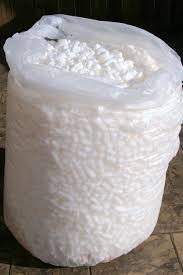 Want a drier option for your swimming pool? Fill a plastic toddler swimming pool with biodegradable packing peanuts (found at Walmart, Target or online). Prices vary by amount and size of the package. These are non toxic, not a choking hazard and not staticy (making clean up much easier!) They look like white cheese puffs so don't be too surprised when your child puts them in their mouth expecting something tasty. Place beach toys or kitchen utensils in the pool as well. Feel free to hid items in the pool as well. Watch your child pick up peanuts with large spoons or shovels. Feel free to join in the fun (we have!!) you won't regret the giggles created from a foam peanut fight! This will help in their fine motor development and sensory awareness.
Foam Blocks
Foam blocks allow children to build or put pieces together. Due to their softness they pose no danger of injury if they are (inevitably) thrown or if they fall on your child. These can be purchased in a number of different places such as Walmart or Target. Price usually ranges between $20-$40 depending on how many come in the pack. Show your child how to use the blocks in the following ways: carrying, sorting by shapes and colors, stacking, knocking down and cleaning up. This play will assist in problem solving, fine motor development and identifying shapes and colors.
Homemade Cardboard Blocks
You can buy cardboard blocks which tend to be larger (great for building larger forts). Expect them to be flat and need folding and assembling. OR you could save all those CapriSun boxes over the weeks, tape them shut, color or cover them with construction paper and go to town! With these blocks you can do many of the same activities as the foam blocks. These will also help with spacial awareness and cause and effect as you build and knock them down.
Swimming In Packing Peanuts
Foam blocks allow children to build or put pieces together. Due to their softness they pose no danger of injury if they are (inevitably) thrown or if they fall on your child. These can be purchased in a number of different places such as Walmart or Target. Price usually ranges between $20-$40 depending on how many come in the pack. Show your child how to use the blocks in the following ways: carrying, sorting by shapes and colors, stacking, knocking down and cleaning up. This play will assist in problem solving, fine motor development and identifying shapes and colors.
Homemade Cardboard Blocks
You can buy cardboard blocks which tend to be larger (great for building larger forts). Expect them to be flat and need folding and assembling. OR you could save all those CapriSun boxes over the weeks, tape them shut, color or cover them with construction paper and go to town! With these blocks you can do many of the same activities as the foam blocks. These will also help with spacial awareness and cause and effect as you build and knock them down.
Wednesday, March 12, 2014
5 Tips to Make Mealtimes Meaningful
Eating is a big part of life!
The joy of food and of sharing mealtimes with friends and family is something that begins in infancy and continues into toddlerhood.
 |
| What I wish toddler mealtime looked like... (Photo Credit) |
 |
| What toddler mealtime really looks like. (Photo Credit) |
But sharing mealtimes with a toddler can be difficult. Very difficult.
Mealtimes with my toddler go something like this:
Give toddler food in a bowl on highchair.
Food gets dumped onto tray.
1/2 of food ends up on the floor.
1/4 of food ends up on toddler's body and in hair (somehow it gets into her diaper as well...)
1/4 of food actually ends up in her mouth.
With mealtimes being a little crazy and messy, it is easy to forget that mealtimes can and should be meaningful.
At mealtimes, parents can teach their children the importance of nourishing and taking care of their bodies and can strengthen relationships with their little ones.
Here are 5 tips to make mealtimes with your toddler more meaningful:
- Remember mealtimes are about more than food. Mealtimes provide a great opportunity for parents and toddlers to make meaningful connections.
- Create routines/traditions around mealtime. Whatever the tradition or routine may be (blessing the food, sharing a "happy moment" of the day, telling jokes, putting on some fun music, etc.), having routines around mealtime makes things predictable and comfortable for your toddler and can be lots of fun.
- Turn off the TV and put away all other screens (phones, laptop, iPad) during mealtime. These are distractions that can take away from meaningful family interaction. They can also distract toddlers from actually eating during mealtime.
- Avoid mealtime power struggles. Provide your toddler with opportunities to make choices during mealtime. Do you want the blue cup or the green cup? Do you want your spaghetti on a plate or in a bowl? Would you like peas or carrots? Remember that you decide the food options your toddler chooses from, and they decide how much to eat. (More on this here).
- Make mealtimes fun! Make up fun food titles for your meals, include dips to dunk food into, get your toddler involved in food preparation and setting the table, cut food into fun shapes. (More tips here and here).
How do you make mealtimes meaningful with your toddler?
Additional Resources:
Monday, September 17, 2012
Keeping Teeth Healthy, the Fun Way!
Bedtime seems to be a difficult task for a lot of parents,
not to mention brushing your child’s teeth! But, it’s great to be aware of the importance of your child’s
dental health! Tooth decay is the main dental problem for preschoolers and the
percentages of kids with cavities only increases as they get older. So while
dental care may seem unimportant because they’ll lose their baby teeth anyway,
decay in baby teeth can lead to dental problems in the future that will have negative
effects on permanent teeth. Plus, tooth decay happens faster for children than
adults!
 |
| Photo Credit |
So when do you start
taking care of your child’s oral health? You need to start taking care of
their mouths before they even have teeth! It’s a good idea to wipe off your
child’s gums after they’ve eaten with a soft cloth. This can help to eliminate
lingering bacteria and helps your baby get used to cleaning his or her mouth.
It’s also important that if your child goes to sleep with a bottle or sippy
cup, make sure it’s just water because other liquids can cause tooth decay!
What’s the best way
to brush? It’s important to start brushing when your child gets their first
tooth. Use a toothbrush that has soft bristles with a small amount of fluoride
toothpaste and make sure that all
their teeth are brushed thoroughly as well as their gums and tongue. Try to set
a routine for brushing twice a day to get rid of germs that cause tooth decay. Once
their teeth are touching, start flossing their teeth as well. Be aware that as
the parent, you’ll have to brush for your child until they have the
coordination to do it themselves.
Nutrition Matters!
There are certain foods and drinks that help and hurt your child’s oral health.
Sugary, sticky and foods with high carbohydrates are not good for your child’s teeth, especially when they eat them
frequently. So try to avoid a lot of crackers, fruit rolls or juice and brush
your child’s teeth after they eat them. Some good snacks for healthy teeth are
apples, nuts, yogurt, carrots and lots of water!
 |
| Photo Credit |
Get Excited About Brushing! Now that you know that it’s important
to take care of your child’s teeth, how do you get them excited about it? Here
are some great ideas about making brushing your teeth fun and not a chore!
- Buy a fun, colorful toothbrush- maybe even an electric one
- Replace toothbrushes often, keeping things exciting
- Let them pick their toothpaste so they’ll enjoy the taste (toothpaste designed for kids of course!)
- Let them brush their own teeth first, then finish by doing it correctly for them
- Brush your own teeth while they brush theirs
- Be excited about brushing your own teeth!
- Read some books about brushing your teeth, HERE are a few suggestions
- Let your child brush a doll’s teeth, then their own
- Sing a song while they are brushing so they know how long to brush, or play some music
- Have a rewards chart: HERE are some you can download
Okay parents- What are some fun ways you get your kids to brush their teeth?
 |
| Photo Credit |
Tuesday, July 17, 2012
Tuesday Toddler Tip: Movement
Does it seem like your toddler is constantly on the move? As adults we naturally want them to learn self-control, and to sit still and be quiet (usually for a little peace of mind). But did you know that if you give them opportunities to run around, jump, and touch lots of different types of things that they will naturally start to slow down because their brains are trying to process all the different sensations and information that is coming in (it is exhausting work, figuring out the world). Try to give them a couple 30-minute blocks full of sensory experiences, as well as large and small motor activities, throughout the day and you will find that not only are they learning a lot, but they seem to have larger periods of time where they are able to be a little less wild (you will have to establish and re-establish your expectations because their long-term memories aren't anywhere near developed yet, but they'll be more capable of self-control), all because they had the opportunity to do what toddlers do best: EXPLORE!
Tuesday, July 10, 2012
Tuesday Toddler Tip: Tantrums
Tantrums. Ugh.

Every toddler has had at least a couple big tantrums in their life--and most probably a lot more! Parents should not worry when they see their child throwing a fit, it simply means that their little brain is growing and maturing! Infants function at a lower brain level (the brain stem), but toddlerhood marks the time that a child's brain moves to the area that controls emotions. You will notice their roller coaster of emotions as they learn how to use--and control--this part of the brain.
The best way you can help your child gain self-control is to remain calm and patient yourself; do not overreact to their tantrums. You should also let your toddler know that you understand what they are saying and how they are feeling: "You are mad because you want to go outside, but we are going to play inside until it stops raining." Also, show them alternative ways to let out steam, and remember that harsh punishment is not the answer to a developing toddler.

The best way you can help your child gain self-control is to remain calm and patient yourself; do not overreact to their tantrums. You should also let your toddler know that you understand what they are saying and how they are feeling: "You are mad because you want to go outside, but we are going to play inside until it stops raining." Also, show them alternative ways to let out steam, and remember that harsh punishment is not the answer to a developing toddler.
Tuesday, June 19, 2012
Tuesday Toddler Tip:
Do you ever hear your toddler talking to themselves; repeating corrective discipline you have given them, like: "don't whine", "ask nicely", "hitting is not nice", "count to ten".
Hearing your child talk to him/herself like this may seem kind of weird, but as adults we do it all the time, except we've learned how to internalize those thought processes. Think about the last time you had a job interview, to prepare, you probably thought about all the things you wanted to say; you may have even practiced out loud. This is exactly what your child is doing, he/she is internalizing social rules and norms of how to behave, act, and what to say in social settings.
As parents you will want to encourage this type of behavior by not interrupting it, and also by modeling the behavior. Say you get frustrated while talking on the phone to an insurance company; when you hang up model out-loud things you can do to calm down. You could say something like: "Breathe" or "Count to ten" or even "I need some cranky/concentration creme" (a soothing lotion, usually lavender; the motion of rubbing it in gives you time to cool off and the lavender help to relax; works wonders for toddlers).
Monday, December 12, 2011
Toddler Time
 |
| 101 Things to Do With Your Toddler |
Counting on Me is an adorable blog with plenty of ideas to keep toddlers busy and learning. Looking for some new ideas? Check out the 101 Things to Do With Your Toddler post! It is a great list of simple, fun ideas. Some are more common than others, but is always helpful to see a list of ideas to keep things fresh.
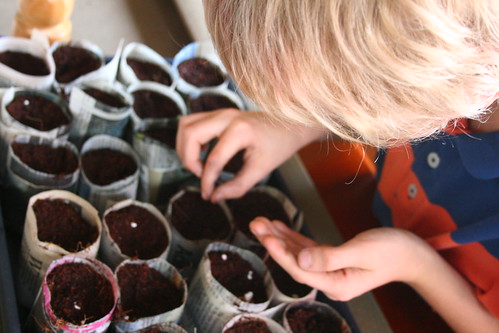
For example, I love the idea to "plant a flower or vegetable plant together." Kids get to learn how things grow and can also learn responsibility. Grass is always a good choice to use as an example. It grows pretty easily and fast so they can see the results quickly.
 |
| Photo |
I am a big fan of finger painting. That is my go-to activity with toddlers, so it is great to see all of these new ideas! What are your go-to toddler activities?
Tuesday, May 17, 2011
How to get your toddler/preschooler to GO TO BED!
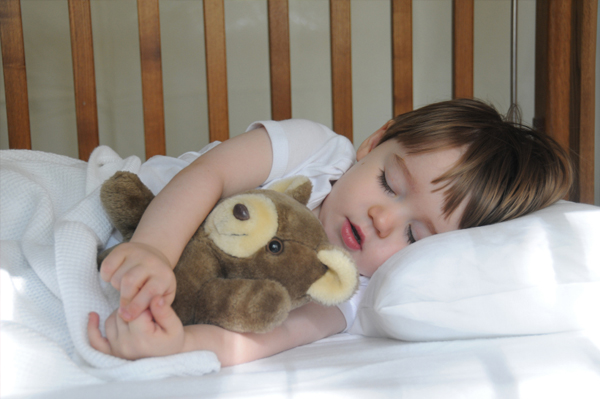
Have you ever had issues getting your toddler to go to sleep? I think almost every parent has had some kind of sleep issue with their children. Toddlers and preschoolers often resist going to sleep, especially if they have older siblings who are still awake. I know I didn’t like it when my older siblings got to go to bed before I did! Here are some suggestions to help your toddler or preschooler develop good sleep habits:
1. Set up a quiet routine. Do this before bedtime to help your child know that it will soon be time to sleep. Read them a story, listen to quiet music, or give him/her a bath. Do not play with your child before bed, because active play may make your child too excited to sleep.
2. Be consistent. Make bedtime the same time every night. This helps your child know what to expect and establish healthy sleep patterns.
3. Allow your child to take a favorite thing to bed. It's okay to let your child sleep with a stuffed animal, blanket or toy. These often help children fall asleep—especially if they wake up during the night. Make sure the object is safe by looking for ribbons, buttons, stuffing or pellets inside toys or other parts that may be choking hazards.
4. Make sure your child is comfortable. They may like to have a drink, a light left on, or the door left slightly open. Handle your child's needs before bedtime so that he/she doesn't use them to avoid going to sleep.
5. Do not let your child sleep in the same bed with you. This can make it harder for him to fall asleep when he is alone.
6. Do not return to your child's room every time he complains or calls out. Instead, try the following:
o Wait several seconds before answering and make your response time longer each time they call. This will give them a chance to fall asleep on their own.
o Reassure your child that you are there. If you need to go into the room, do not turn on the light, play with him, or stay too long.
o Move farther from your child's bed every time you go in, until you can reassure him verbally without entering his room.
o Remind him each time he calls that it's time to go to sleep.
7. Give it time. Helping your child develop good sleep habits can be a challenge and it is normal to get upset when a child keeps you awake at night. Try to be understanding. A negative response by a parent can make a sleep problem worse.
Be patient! It can be challenging but you can do it!
Source: “Sleep Problems in Children” by the American Academy of Pediatrics, 2007……A reliable source!
Monday, March 14, 2011
Potty Training
As a mother of 2.5 year old, I've been contemplating potty training for some time, though I haven't really begun because this is something I would like to do with her when I will be home with her all day, and not gone for half of it as I am now. I've been researching different methods, and I've come to the conclusion that overall, you want this time of vulnerability to end not only successfully, but positively as well. For myself, I'm inclined to follow the method outlined in the Touchpoints books, written by T. Berry Brazelton, M.D. (These are fantastic books to read in and of themselves.) Dr. Brazelton advises parents to allow children to "toilet learn" on their own time and terms, thus increasing the odds of success, and coming out of the experience on positive terms with your child.
What did you do with your kids while they potty trained? Do you remember how you were potty trained? What would you do the same or differently?

What did you do with your kids while they potty trained? Do you remember how you were potty trained? What would you do the same or differently?

Monday, November 15, 2010
Nighty Night
Early to bed, early to rise, makes a man healthy, wealthy, and wise.
We have all heard this saying at some point in our life. I am still personally working on the wealthy and wise portion of the saying, but when I get a good rest, I know that I feel a lot more healthy. If adults feel better getting enough sleep, then kids do to right? Lucky for the kids, they get to take naps, actually they are most of the time required to. This allows for them to get the rest they need, and give parents a break as well.
Toddlers still need about 10 hours of sleep a night plus a nap during the day. Research shows that at about 18 months children usually start napping just once a day. Only 25% of toddlers give up naps by the time they are three, and by the age 4, they quit napping.
Usually by 3 months a child has established a biological rhythm and parents can start developing a naptime pattern. (This didn't usually work for my children until they were 6 months old.) Timing meals and playtimes helps ensure that your child will be ready to nap when you want them to.
To help tired toddlers - and growing infants
- get the sleep they need, parents need to make nap time a comforting experience, says University of Cincinnati Pediatrician Caroline Mueller. "Make sure you have a pre-nap routine," Dr. Mueller says. "Lay the baby down calm and sleepy, but awake, from early on so that he can learn to put himself to sleep."
The entire article is found here :http://parenting.families.com/blog/toddlers-and-naptime
We have all heard this saying at some point in our life. I am still personally working on the wealthy and wise portion of the saying, but when I get a good rest, I know that I feel a lot more healthy. If adults feel better getting enough sleep, then kids do to right? Lucky for the kids, they get to take naps, actually they are most of the time required to. This allows for them to get the rest they need, and give parents a break as well.
Toddlers still need about 10 hours of sleep a night plus a nap during the day. Research shows that at about 18 months children usually start napping just once a day. Only 25% of toddlers give up naps by the time they are three, and by the age 4, they quit napping.
Usually by 3 months a child has established a biological rhythm and parents can start developing a naptime pattern. (This didn't usually work for my children until they were 6 months old.) Timing meals and playtimes helps ensure that your child will be ready to nap when you want them to.
To help tired toddlers - and growing infants
- get the sleep they need, parents need to make nap time a comforting experience, says University of Cincinnati Pediatrician Caroline Mueller. "Make sure you have a pre-nap routine," Dr. Mueller says. "Lay the baby down calm and sleepy, but awake, from early on so that he can learn to put himself to sleep."

The entire article is found here :http://parenting.families.com/blog/toddlers-and-naptime
Subscribe to:
Posts (Atom)